
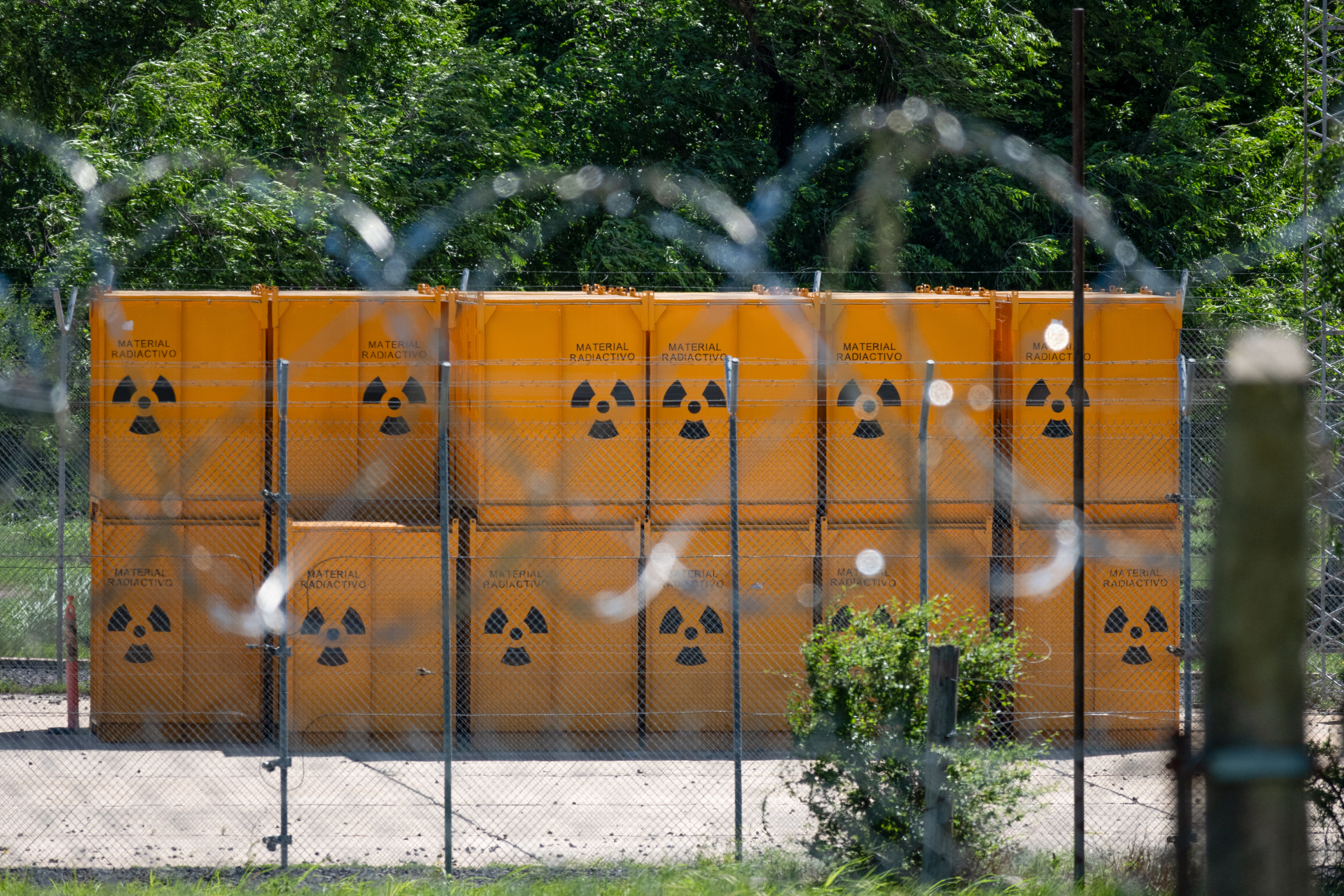
Hazardous waste disposal is a fundamental regulatory requirement and a critical business practice. The efficacy of hazardous waste disposal Miami strategies directly impacts environmental health and corporate compliance. The meticulous handling of hazardous waste requires a sophisticated understanding of waste regulations and precise waste classification protocols.
1. Defining Waste: Prerequisites for Hazardous Waste Disposal
To ensure proper hazardous waste disposal, it is essential to delineate what qualifies as hazardous materials. These substances exhibit inherent dangers, categorized under specific hazardous waste characteristics:
Ignitability: Liquids like solvents require strict segregation and appropriate hazardous waste disposal in fire-resistant containers.
Corrosivity: Strong acids and bases must undergo chemical neutralization or specialized treatment prior to the final waste treatment and disposal.
Reactivity: Unstable materials demand highly specialized, often one-off, hazardous waste disposal Decatur services to mitigate explosion risk.
Toxicity: Confirmed by the TCLP (Toxicity Characteristic Leaching Procedure) test. This characteristic is crucial for determining the necessary level of environmental protection during hazardous waste disposal. Examples include wastes from certain industrial processes and components from Waste Electrical and Electronic Equipment (WEEE).
2. The Regulated Cycle: Steps in Hazardous Waste Disposal
An effective hazardous waste disposal program must track the waste life cycle rigorously.
A. Generator Responsibilities and Initial Hazardous Waste Disposal Steps
Classification and Waste Codes: The generator is the first line of defense, responsible for accurate waste classification and assignment of a code. This dictates the entire hazardous waste disposal Indianapolis pathway.
Determining Status: Generator status (SQG or LQG) determines the stringency and frequency of hazardous waste disposal and record-keeping requirements.
B. Storage Requirements Before Hazardous Waste Disposal
Correct storage of hazardous waste is the highest priority before any hazardous waste disposal can occur.
Containers and Compatibility: Use only certified drums and chemical waste containers. Incompatible wastes must be stored separately to prevent dangerous reactions that compromise safe hazardous waste disposal.
Labeling and Inventory: All containers must have clear hazardous waste labeling with accumulation start dates. Accurate inventory is vital for planned hazardous waste disposal schedules.
Containment: Employ mandatory secondary containment (spill pallets, berms) to prevent hazardous substance leaks and subsequent contamination, a failure point in hazardous waste disposal Detroit planning.
C. Transportation and Documentation for Hazardous Waste Disposal
The transport phase requires strict adherence to legal frameworks, central to compliant hazardous waste disposal.
Documentation: A mandatory Hazardous Waste Manifest must track the waste from generation to its final hazardous waste disposal destination. Comprehensive waste record keeping is non-negotiable.
Licensed Transport: Only licensed waste carriers operating under strict protocols (e.g., ADR regulations) can execute the transport component of hazardous waste disposal.
D. Final Treatment and Methods of Hazardous Waste Disposal
The ultimate goal of hazardous waste disposal Boston is safe neutralization or destruction, following the environmental hierarchy.
Recovery and Recycling: Prioritizing the recycling of hazardous waste (e.g., solvent recovery) reduces the volume requiring final hazardous waste disposal.
Thermal Treatment: Controlled hazardous waste incineration at specialized facilities is a common and effective method for hazardous waste disposal of organic compounds.
Stabilization: Waste treatment to stabilize the contaminants (e.g., in a cement matrix) before land disposal.
Secure Landfilling: This is the last resort for hazardous waste disposal, utilized only for stabilized or inert hazardous residues in highly secure, engineered hazardous waste landfills.
3. Compliance and Auditing for Hazardous Waste Disposal
Maintaining robust Environmental Compliance is key to responsible hazardous waste disposal.
Contingency Planning: A regularly reviewed Accident Prevention and Response Plan (APRP) detailing chemical spill cleanup protocols is essential for managing incidents related to stored waste prior to hazardous waste disposal.
Training: Employees involved in any part of the hazardous waste disposal chain must receive mandated HSE training focused on safe hazardous material handling.
Audits: Regular environmental audits are necessary to confirm all hazardous waste disposal records and procedures are compliant and effective.
Leave a Reply